

If you have ever wondered what happens behind the gates of a vehicle dismantling facility, you're not alone. Many people imagine piles of damaged cars sitting untouched, but the reality is very different.
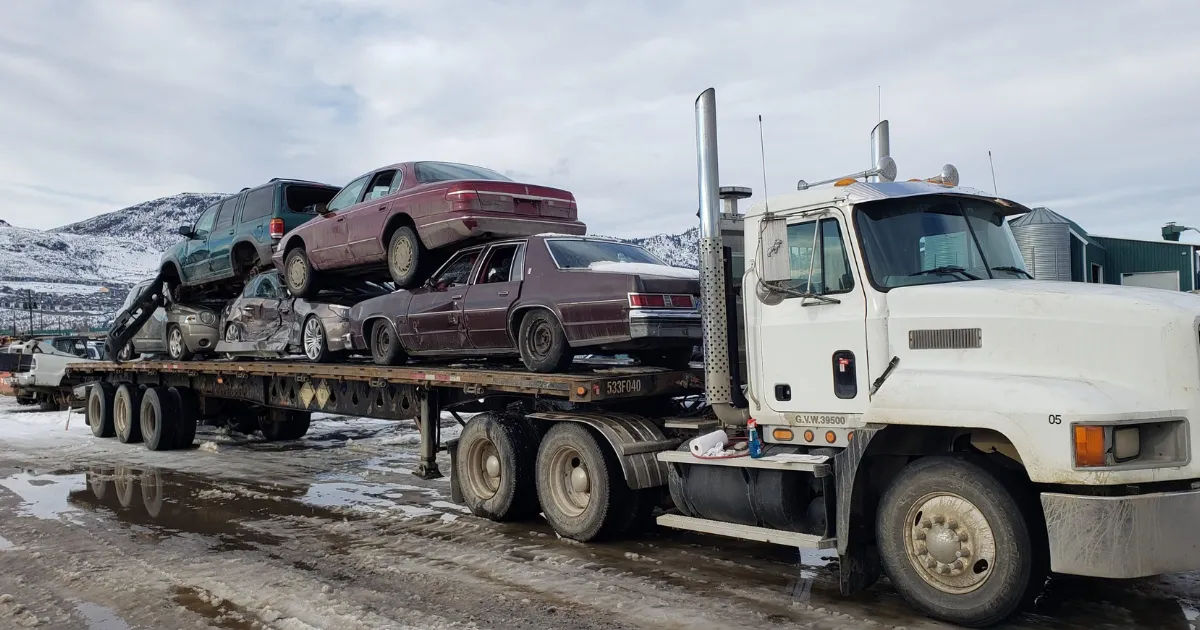
Car wreckers Geelong play an important role in recycling vehicles, recovering valuable parts, reducing landfill waste, and supporting affordable vehicle repairs. Whether a car has been involved in an accident, reached the end of its lifespan, or become too expensive to repair, it can still provide significant value.
Car wreckers Geelong carefully inspect, dismantle, recycle, and process every vehicle using environmentally responsible methods. From removing reusable components to recycling metals and safely disposing of hazardous materials, every step contributes to a cleaner environment and a more sustainable automotive industry.
In this guide, you'll discover exactly what happens in a wrecking yard, how vehicles are processed, why recycling matters, and how customers benefit from purchasing quality used parts.
A Wrecking Yard
A wrecking yard is a specialized automotive recycling facility where old, damaged, unwanted, or non-functional vehicles are dismantled.
Instead of allowing vehicles to sit unused or end up in landfill, professionals recover valuable materials and components that still have life left in them.
Modern wrecking yards are highly organized operations that focus on:
- Vehicle recycling
- Parts recovery
- Scrap metal processing
- Environmental protection
- Affordable auto parts
- Responsible waste management
Their goal is to maximize the value of every vehicle while minimizing environmental impact.
Why Vehicles End Up in a Wrecking Yard
Cars arrive at a wrecking yard for many different reasons.
Some common situations include:
Accident Damage
After major collisions, repair costs may exceed the vehicle's market value.
Insurance companies often declare these vehicles total losses.
Mechanical Failure
Older vehicles sometimes suffer engine or transmission failures that cost more to repair than replace.
Age and Wear
After years of driving, vehicles become unreliable and expensive to maintain.
Owners often choose recycling instead.
Flood or Fire Damage
Natural disasters or fires can severely damage vehicles, making repairs impractical.
Unwanted Vehicles
Some owners simply want to dispose of unused cars occupying valuable space.
The First Step: Vehicle Arrival
Every vehicle entering a wrecking yard is recorded and inspected.
Staff document important information including:
- Vehicle make
- Model
- Year
- VIN
- Condition
- Engine type
- Mileage
This information helps determine which components may be reusable.
Vehicles are then moved into designated processing areas.
Initial Inspection
Before dismantling begins, trained technicians inspect the vehicle thoroughly.
They identify:
- Working mechanical parts
- Undamaged body panels
- Interior components
- Electronic systems
- Wheels and tyres
- Engine condition
- Transmission status
This evaluation helps maximize reusable inventory.
Removing Hazardous Materials
One of the most important stages involves removing potentially harmful materials.
These include:
Engine Oil
Oil is drained safely and sent for recycling.
Coolant
Coolant is collected separately to prevent contamination.
Brake Fluid
Brake fluid is removed using specialized equipment.
Fuel
Remaining petrol or diesel is safely extracted.
Air Conditioning Gas
Refrigerants require careful handling to protect the environment.
Batteries
Vehicle batteries contain hazardous chemicals and are recycled separately.
Responsible disposal helps prevent pollution.
Recovering Valuable Auto Parts
Once hazardous materials have been removed, technicians begin dismantling reusable parts.
Many components still have years of useful life remaining.
Commonly recovered parts include:
Engines
If an engine remains in good condition, it can be tested, cleaned, and sold.
Transmissions
Manual and automatic gearboxes are among the most valuable recovered components.
Alternators
Alternators are carefully removed and tested before resale.
Starter Motors
Working starter motors provide affordable replacement options.
Radiators
Radiators with no major damage can often be reused.
Air Conditioning Compressors
Many compressors continue functioning perfectly after the vehicle itself becomes unusable.
Salvaging Exterior Components
Exterior panels often remain undamaged even after collisions.
These include:
- Doors
- Bonnets
- Boots
- Guards
- Side mirrors
- Bumpers
- Headlights
- Tail lights
- Grilles
These parts help vehicle owners complete affordable repairs.
Interior Component Recovery
The inside of a vehicle contains numerous reusable parts.
Technicians remove:
- Seats
- Dashboard assemblies
- Steering wheels
- Seat belts
- Door trims
- Consoles
- Audio systems
- Airbags (where permitted)
- Switches
- Instrument clusters
Many buyers prefer genuine used parts over cheaper aftermarket alternatives.
Electrical Component Testing
Modern vehicles contain dozens of electronic modules.
Technicians often recover:
- ECUs
- Sensors
- Wiring harnesses
- Window motors
- Door lock actuators
- Navigation units
- Cameras
- Infotainment systems
Each item undergoes testing before resale whenever possible.
Wheel and Tyre Inspection
Tyres with sufficient tread may still be usable.
Similarly, alloy wheels in good condition can be cleaned and sold.
Customers benefit from purchasing quality used wheels at lower prices.
Cleaning and Organizing Parts
Recovered components are not immediately placed on shelves.
They go through several preparation stages.
These include:
- Cleaning
- Inspection
- Testing
- Labelling
- Cataloguing
- Inventory management
This organized process makes finding specific parts much easier.
Inventory Management
Modern wrecking yards use computerized inventory systems.
Each part is assigned:
- Vehicle information
- Part number
- Compatibility details
- Condition
- Storage location
This helps customers quickly locate compatible replacement parts.
Recycling the Remaining Vehicle
Once reusable components have been removed, only the vehicle shell remains.
The metal body is prepared for recycling.
The remaining shell is:
- Crushed
- Compacted
- Shredded
- Separated into different metals
Steel, aluminium, and other metals are processed for manufacturing new products.
Very little material goes to landfill.
How Metal Recycling Works
Vehicle recycling contributes significantly to metal conservation.
The process usually includes:
Crushing
The empty vehicle shell is compressed.
Shredding
Large industrial shredders break metal into smaller pieces.
Magnetic Separation
Magnets separate steel from other materials.
Non-Ferrous Separation
Aluminium, copper, and brass are sorted using advanced equipment.
Delivery to Metal Mills
Recycled metals become raw materials for new manufacturing.
Environmental Benefits
One major reason people choose car wreckers Geelong is environmental responsibility.
Vehicle recycling provides many environmental advantages.
Less Landfill Waste
Cars contain thousands of recyclable components.
Recycling prevents unnecessary waste.
Reduced Mining
Recycling metals reduces demand for mining natural resources.
Lower Energy Consumption
Manufacturing with recycled steel uses considerably less energy.
Pollution Prevention
Proper fluid disposal protects waterways and soil.
Conservation of Resources
Reusing parts reduces the need for producing new components.
Benefits for Vehicle Owners
Customers enjoy many advantages when working with car wreckers Geelong.
Affordable Parts
Used genuine parts usually cost much less than brand-new replacements.
Quality Components
Many original manufacturer parts outperform cheaper aftermarket alternatives.
Availability
Older vehicle parts may no longer be available through dealerships.
Wrecking yards often provide these hard-to-find components.
Fast Repairs
Finding quality used parts can reduce repair times.
Eco-Friendly Choice
Buying recycled parts supports sustainable automotive practices.
How Vehicles Are Chosen for Part Recovery
Not every vehicle is dismantled the same way.
Staff evaluate several factors.
These include:
- Vehicle demand
- Popular models
- Engine condition
- Part availability
- Market demand
- Overall vehicle damage
Vehicles with desirable parts receive more detailed dismantling.
Safety Procedures Inside the Yard
Modern wrecking yards prioritize workplace safety.
Employees follow strict procedures including:
- Protective clothing
- Safety boots
- Gloves
- Eye protection
- Heavy lifting equipment
- Fire safety systems
- Spill containment measures
These precautions protect both workers and the environment.
Technology Used in Modern Wrecking Yards
Today's wrecking yards use advanced equipment that improves efficiency.
Examples include:
Vehicle Lifts
Heavy-duty lifts simplify dismantling.
Fluid Extraction Machines
These safely remove automotive liquids.
Diagnostic Equipment
Technicians test electrical components before resale.
Computerized Inventory
Digital databases help customers locate parts quickly.
Industrial Crushers
These prepare metal for recycling efficiently.
Who Buys Used Auto Parts?
Many different customers rely on recycled vehicle parts.
Common buyers include:
- Mechanics
- Vehicle owners
- Restoration enthusiasts
- Fleet operators
- Insurance repairers
- Automotive workshops
Quality used parts help reduce repair costs across the industry.
Can Parts From Different Vehicles Be Used?
Sometimes yes.
Many manufacturers use identical parts across several models.
Compatibility depends on factors like:
- Model year
- Engine type
- Trim level
- Transmission
- Manufacturer specifications
Professional staff verify compatibility before sale.
The Importance of Automotive Recycling
Vehicle recycling has become one of the world's most successful recycling industries.
Millions of vehicles reach the end of their useful life every year.
Without responsible dismantling, enormous amounts of waste would accumulate.
Instead, recycling allows valuable resources to remain in circulation.
This supports both economic and environmental sustainability.
Common Myths About Wrecking Yards
Myth 1: Everything Is Scrap
Reality: Many valuable components remain fully functional.
Myth 2: Used Parts Are Poor Quality
Reality: Many original manufacturer parts outperform inexpensive aftermarket replacements.
Myth 3: Recycling Is Harmful
Reality: Professional recycling significantly reduces environmental impact.
Myth 4: Wrecking Yards Are Disorganized
Reality: Most modern facilities use computerized inventory systems and structured processes.
Tips Before Visiting a Wrecking Yard
If you're searching for replacement parts, preparation can save time.
Bring details such as:
- Vehicle make
- Model
- Year
- VIN
- Engine size
- Transmission type
- Photos of the damaged part
Providing accurate information helps staff locate compatible components faster.
Why Wrecking Yards Matter to the Community
Wrecking yards contribute far more than affordable auto parts.
They help:
- Reduce environmental waste
- Support local businesses
- Create employment
- Supply affordable repairs
- Encourage recycling
- Recover valuable resources
- Extend the life of automotive components
Their work benefits both vehicle owners and the wider community.
Conclusion
A modern wrecking yard is far more than a storage area for old vehicles. It is a highly organized recycling facility where skilled technicians carefully inspect, dismantle, test, clean, catalogue, and recycle vehicles in an environmentally responsible way. From safely removing hazardous fluids to recovering engines, transmissions, body panels, electronics, and interior components, nearly every part of a vehicle is evaluated for its remaining value.
Car wreckers Geelong play an essential role in reducing waste, conserving natural resources, and making vehicle ownership more affordable through quality recycled parts. Their work supports sustainable manufacturing, lowers the demand for new raw materials, and keeps thousands of reusable automotive components in circulation each year.
Whether you are selling an unwanted vehicle, searching for affordable replacement parts, or simply interested in how automotive recycling works, understanding what happens inside a wrecking yard highlights the importance of this industry. Car wreckers Geelong continue to provide valuable services that benefit drivers, repair professionals, businesses, and the environment, making them a vital part of the automotive recycling process.