

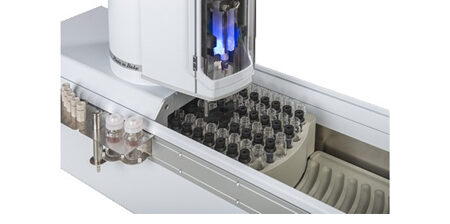
Robotic automation is increasingly becoming a key component part in industries ranging from manufacturing to healthcare, transforming the way businesses run and drastically up . At its core, robotic mechanization involves the use of engineering to perform tasks that were traditionally carried out by human workers. This can admit everything from simple repetitious jobs to more complex trading operations requiring precision and adaptability. The application of robots, both natural science and digital, in machine-driven processes is sanctioning businesses to streamline operations, tighten costs, and enhance productivity. However, it also raises probative questions about the time to come of employment and the potential implications for workers.
The introduction of robotic mechanisation is not a new construct, but its speeded up adoption in recent geezerhood has sparked substantial changes. In manufacturing, for example, robots have long been used to tack products, weld metallic element parts, and do timbre checks. However, advances in dummy intelligence(AI), simple machine eruditeness, and robotics have taken mechanisation to a new level. Robots are no longer express to simpleton, predefined tasks. They are now open of learning from see, adapting to new conditions, and even making decisions in real time. This makes them extremely varied and susceptible of handling a wide variety show of jobs across eightfold sectors.
In plus to the manufacturing sector, robotic mechanization is making waves in industries like logistics, farming, and even health care. In logistics, autonomous vehicles and drones are being used to channelise goods, reducing the need for human labour in tasks like inventory management and deliverance. In husbandry, robots are assisting with everything from planting seeds to harvesting crops, offering considerable advantages in terms of efficiency and labour . Healthcare is also benefiting from robotic mechanisation, particularly in areas like surgical operation, where robotic-assisted procedures are enhancing precision and reduction retrieval multiplication.
The widespread implementation of robotic automation is not without its challenges. One of the most spectacular concerns is the potency displacement of human workers. As robots take on more tasks, there is a development fear that boastfully numbers of jobs could be lost, particularly in industries that rely on manual push on. However, experts reason that while certain jobs may be replaced, new opportunities will also uprise in Fields like robotics sustainment, programming, and data depth psychology. Additionally, by automating iterative or self-destructive tasks, robots can free up homo workers to focalise on more yeasty and roles that want high-level problem-solving and emotional word.
While the deliberate close the touch on of robotic mechanization on the hands continues, there is no denying its transformative potentiality. For businesses, mechanization offers a way to stay competitive in a chop-chop evolving commercialise by reducing operational costs and improving overall . For consumers, it can mean lower prices, faster services, and better-quality products. The desegregation of robots into quotidian life is not just a artistic movement fantasy; it is already happening, and its effects will only become more marked in the years to come.
Looking ahead, the time to come of autocampionatori is unbelievably likely. As engineering continues to throw out, robots will become even more susceptible, varied, and intelligent. However, it will be monumental for governments and businesses to insure that the transition to an automatic economy is inclusive and that workers are provided with the skills and subscribe requisite to thrive in an more and more automatic world. By addressing these challenges head-on, high society can maximise the benefits of robotic mechanisation while minimizing its potency drawbacks. The rotation is well afoot, and the possibilities are unlimited.